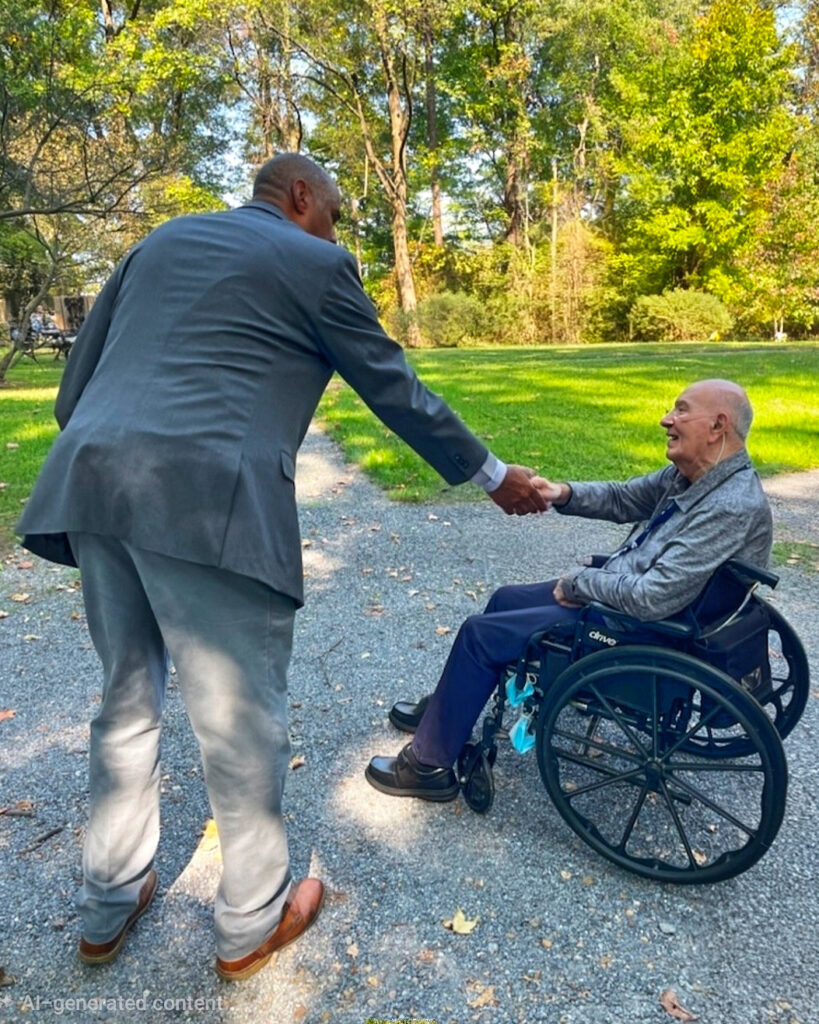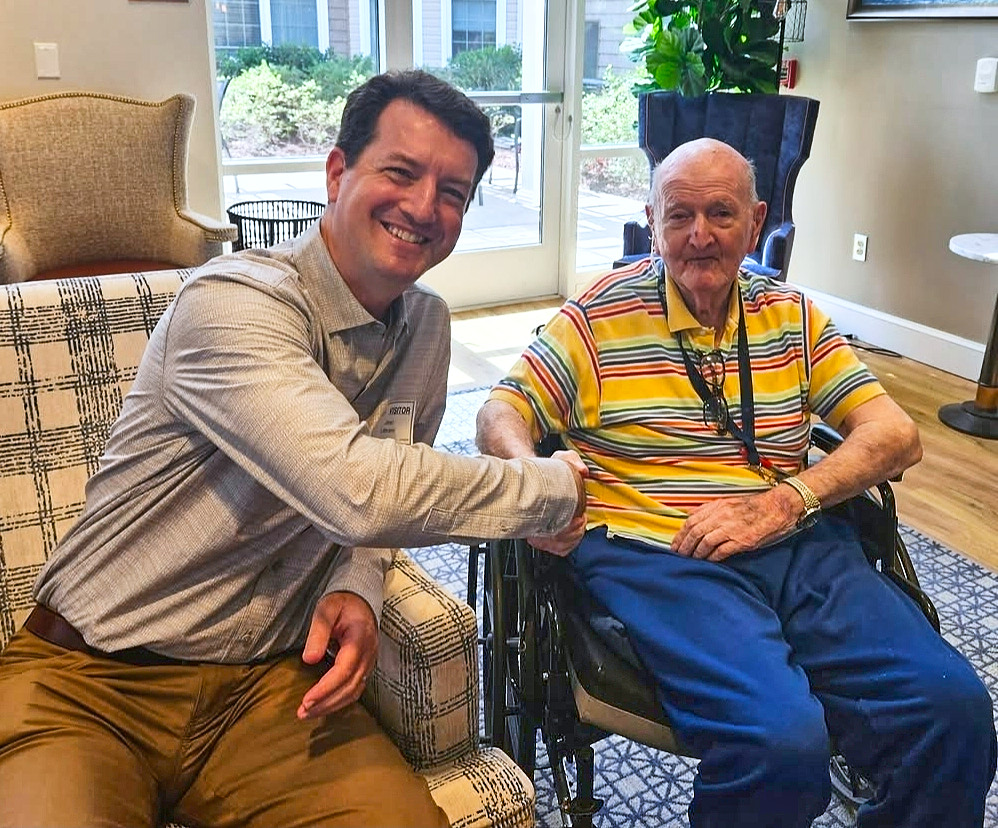
This is the third in a series of articles remembering former Greenbelt Mayor Gil Weidenfeld.
Following his death on July 4, 2026, at age 93, Gil Weidenfeld’s family, friends and former colleagues have reflected on his life and the undeniable legacy he left behind in the city of Greenbelt. Weidenfeld was one of Greenbelt’s longest-serving mayors, spending 22 years on the city council, including 14 years as mayor.
Tom Renehan, a politically engaged resident who worked in Weidenfeld’s proximity as a campaign adviser to a close council ally of Weidenfeld, remembers the former mayor as a major political leader in Greenbelt’s history whose legacy “can’t be underestimated.”
“He was an incredibly smart guy, very talented, very articulate … he wasn’t just a politician. He was really good at sorting out public issues. … He became kind of the obvious leader,” Renehan said.
Throughout his time in government from 1971 to 1993, Weidenfeld helped lead Greenbelt through a period of significant growth and development. Renehan pointed to several monumental changes that occurred during Weidenfeld’s tenure, including the 1989 transformation of the former Greenbelt Center School into the Greenbelt Community Center and the construction of the new Greenbelt Elementary School in the North End.
Weidenfeld was also mayor when the Sunrise high-rise property in Greenbelt East was proposed in 1990. The project received backlash from residents and was seen as a threat that would overwhelm traffic and be incompatible with surrounding neighborhoods. Weidenfeld publicly opposed the project during council discussions and supported efforts to downzone the property.
“The success of modern Greenbelt has a lot to do with his political leadership,” Renehan said.
Parris Glendening, former Maryland governor and former Prince George’s county executive, worked closely with Weidenfeld and said he witnessed firsthand Weidenfeld’s dedication to public service.
“He was a good guy, a fun guy and sort of a natural leader,” he said.
When funding concerns threatened to stop the Metro’s Green Line short of Greenbelt, Glendening and Weidenfeld worked together to ensure the line was extended to the city.
Glendening said he and Weidenfeld, along with former Gov. Harry Hughes and Congressman Steny Hoyer, pressured the state to include Greenbelt on the Green Line and were successful. Glendening recalled Weidenfeld’s professionalism in meetings with members of Congress when negotiating for that project.
“His normal, somewhat cheerful, somewhat outgoing type personality dropped a level or two to kind of a stern professionalism, and I think it was exactly what was called for, for that kind of meeting,” Glendening said. “That was, for Gil, a tremendous victory.”
Glendening shared a common sentiment about Weidenfeld: he was open to hearing different opinions and genuinely cared about the people he served. “[He] was one of those municipal officials that loved their municipality, loved their job and did not see it automatically as a stepping stone to higher office,” he said.
As a former county councilmember and county executive, Glendening recalled riding alongside Weidenfeld during the Labor Day parades during Weidenfeld’s years as mayor. He remembered the atmosphere of the holiday and the “general enthusiasm and almost spontaneous expressions of affection for [Weidenfeld].”
Richard Castaldi, also a former Greenbelt mayor and councilmember, first met Weidenfeld when he was just getting started on city council and Weidenfeld was mayor. Castaldi said that when he first joined the city council, he knew little about how city government worked and learned much of what he knew about leadership by observing Weidenfeld. “I just basically sat there and watched him,” Castaldi said. “I was like a sponge and soaked up a lot of great information from him and how he did things in the city.”
According to Castaldi, one quality Weidenfeld demonstrated well was being a good listener and keeping an open mind when considering other perspectives. He said that Weidenfeld understood that he was a representative of all people, even those who did not vote for him. Even when the two had differing opinions, they found a way to compromise and have respect for one another.
“Maybe we would disagree, but not be disagreeable,” he said. “When you think about politics today, which is quite frankly terrible, I really almost harken back to the times when we were on the council.”
Castaldi credited Weidenfeld with helping organize the Greenbelt Democratic Coordinating Committee, which brought local groups together and helped the city gain greater representation in county and state government. He said Weidenfeld was instrumental in helping give Greenbelt more of a voice.
Castaldi and Weidenfeld went on to become not only professional colleagues but also close personal friends, with Weidenfeld later serving as Castaldi’s best man at his wedding.
Castaldi said he hopes Weidenfeld’s legacy encourages current and future Greenbelt residents to feel comfortable speaking with local officials and sharing their concerns and opinions, “because he always listened,” Castaldi said.
Charlotte Ormond is a University of Maryland student at the Philip Merrill College of Journalism interning with the Greenbelt News Review