Job loss, stagnating wages, inflation, tariffs and rising cost of living across the U.S. have led to what some call an “affordability crisis.” Greenbelt residents, disproportionately affected by the federal government cuts and furloughs and impacted by the cost of living on the outskirts of the nation’s capital, are among those facing difficulties meeting living expenses even in a city that was founded with affordable housing in mind.
City officials and community leaders in Greenbelt say they are seeing more strain as families try to stay housed amid higher costs, shrinking benefits and limited safety net programs. Seniors on fixed incomes are also struggling.
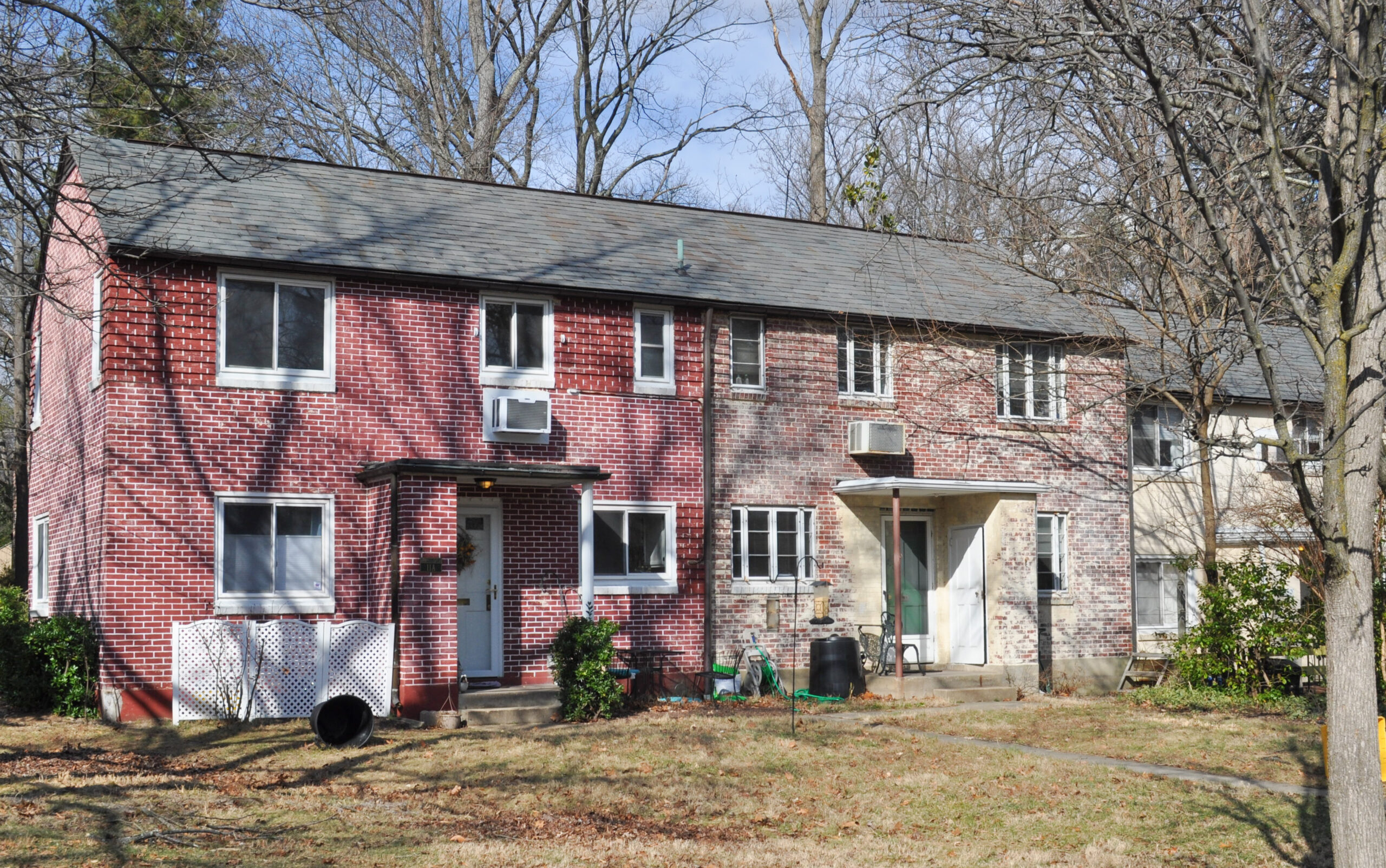
Greenbelt Homes Inc. (GHI), the 1,600-unit cooperative, is trying to manage rising expenses itself, while some residents turn to city services and nonprofit organizations for food, co-op fee assistance and job support.
“There is no way we can artificially construct a little affordable bubble, which some people would like to do,” said GHI Board President Stefan Brodd.
How GHI Works
The first GHI homes were built in 1937 by the federal government during the Great Depression. Today, all GHI homes sit on land the cooperative owns, with each member purchasing a share that grants “perpetual occupancy.”
Brodd said GHI thinks about affordability in two ways: how hard it is for people to become members, and how hard it is for current members to stay.
“We’re concerned about both things,” Brodd said. “We’ve talked a lot about it, and we continue to talk about it.”
Although members buy a share rather than a deed, prices still rise and fall with the real estate market. Brodd said GHI does not control those prices. “Right now shares range from around $120,000 to close to $400,000,” he said. “That is just between the buyer and the seller. We do not intervene in that process.”
Where GHI does have influence is the monthly co-op fee that funds staff, taxes, insurance and maintenance. The cooperative’s 2026 budget is about $17 million. Real estate taxes and insurance costs have increased sharply, Brodd said, and hiring contractors in one of the nation’s most expensive metro areas is costly.
GHI has tried to control expenses by contracting out large maintenance projects to get lower prices, such as replacing hundreds of roofs at once, and by maintaining policies that largely prohibit renting and flipping properties.
When Members Fall Behind
Members who fall behind on fees can work out payment plans or be referred to financial assistance programs, Brodd said. Evictions, or loss of membership, are rare.
“We have almost no evictions here,” he said. “We had one recently, but it was the first one for a long time. No one is happy about them. No one wants them to happen.”
When GHI removes a member, the Prince George’s County Sheriff’s Office handles the physical eviction. Brodd said the cooperative cannot control what happens once deputies arrive.
“People found it very distressing, as did I,” he said. “At that point the process was really out of our control.”
Community organizer Shaymar Higgs said the recent eviction shook neighbors and felt out of place with Greenbelt’s identity.
“A lot of people got hurt,” Higgs said. “It made their bad situation even worse. It made their hell really on fire.”
Higgs runs The SPACE, an arts and social collective that distributes free clothes, household items and books, along with community activities and food services. He said layoffs and reduced social service funding have pushed more residents toward grassroots support. “We are literally just listening to the people and meeting them where they are,” he said. “Nonprofits can move a little faster than government.”
Rising Demand for Help
While GHI tries to limit expenses, Greenbelt agencies are seeing more requests for help.
Greenbelt CARES provides counseling, senior services, job support and monthly food distributions.
“We certainly have seen, even before the shutdown, but certainly after, more folks coming to our food distributions and seeking food assistance,” said Liz Park, CARES director.
Food distribution events serve 150 to 300 families a month, Park said, and the city connects residents to energy assistance programs, SNAP benefits and outside charities. “If we can help somebody maintain housing while they get through a crisis situation, it solves a lot of problems,” Park said.
Still, CARES cannot fully meet demand. “We get 10 to 12 applications a month for rental assistance,” Park said. “We are not able to help all of them. The city is not able to meet the full need.”
Park said Greenbelt offers services many municipalities do not, but CARES frequently connects residents to Prince George’s County programs because local money cannot fully cover their needs.
Limited Local Safety Nets
At the Municipal Building, Constituent Services Coordinator Gizelle Alvarez acts as the main point of contact for residents with housing, job and service questions. Most calls involve public works issues, but Alvarez said she is hearing more from people struggling after layoffs and benefit cuts.
“I have had people come to me who have been laid off, asking where they can find resources regarding food or temporary funds,” she said. The city has an emergency rental assistance fund, but it is one-time and donation-based. Alvarez said demand for assistance is outpacing supply. “I have seen less food, unfortunately, and more people attending our monthly food distribution,” she said. Alvarez cited reductions in federal benefits, along with rising housing costs in Prince George’s County and across the region, as key reasons for the uptick.
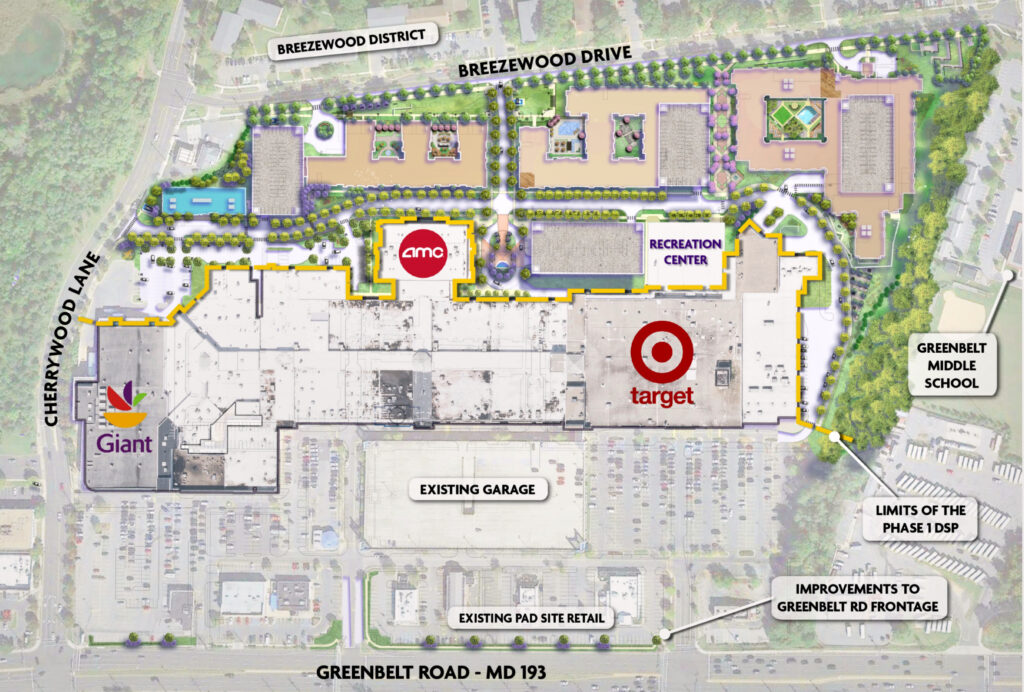
Greenbelt can steer people to a new American Job Center at Beltway Plaza and to Deji Ayoku, the city’s workforce coordinator. But Alvarez said the city does not have the power to provide ongoing cash assistance the way county government can.
“We can help with a one-time rental payment that is paid directly to the landlord, but we don’t have the kind of mechanism in place where we can just write a check to a resident for whatever to help [them] get caught up,” she said.
County help is limited, too. A rental assistance program for families at designated Prince George’s and Montgomery County schools announced in November that all new applicants would be placed on a waitlist after what officials called an “unusually high volume” of requests and exhausted funding.
Searching for Solutions
GHI has looked at ways to generate outside revenue to offset costs, including profit from the two small apartment buildings the cooperative owns, and a newly proposed yard-care service members could opt to purchase. Brodd said the board is also looking at whether seniors could tap equity in their shares through a model similar to a reverse mortgage.
“They are sitting on hundreds of thousands of dollars of equity, but there is nothing they can do with it,” he said. “We think seniors especially should be able to leverage that equity to help with day-to-day expenses.”
Brodd said GHI wants residents to know the cooperative recognizes the stakes. “GHI is very concerned about affordability,” he said. “We are concerned for our residents and for offering an affordable option for housing in the D.C. area.”
Stephen Lotz is a University of Maryland student at the Philip Merrill College of Journalism writing for the Greenbelt News Review.